
How to Start a Minimalist Wardrobe from Scratch
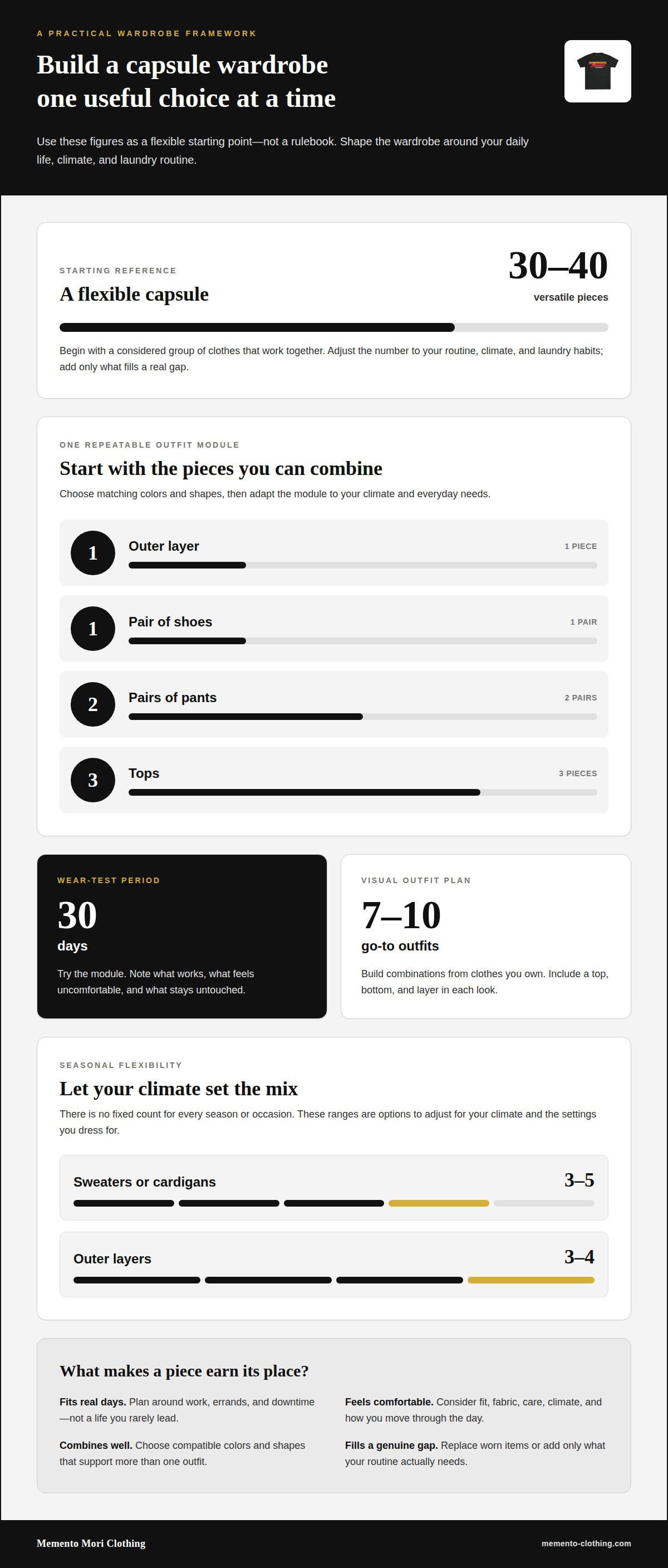
A smaller wardrobe can hold more possibility than a crowded one. To learn how to start a minimalist wardrobe from scratch, begin with a capsule wardrobe of around 30-40 versatile pieces, then shape it around your daily life, climate, and laundry routine. The aim isn’t to own as little as possible; it’s to make getting dressed feel simpler and more like you.
It’s easy to keep clothes for a life you rarely lead while reaching for the same familiar pieces again and again. A thoughtful edit makes everyday choices clearer. You’ll learn how to start a minimalist wardrobe from scratch by taking stock of what you wear, choosing versatile pieces, and building a personal uniform around styles that feel like you. Start with your real routine, then add only what helps.
Key Takeaways
- Start with a flexible capsule wardrobe of around 30-40 pieces, then adapt the number to your routines, climate, and laundry habits.
- Build a personal uniform from the silhouettes and colors you naturally reach for to make everyday dressing feel more considered.
- Choose pieces that can move between casual and polished settings, so each item has a place in more than one kind of outfit.
- Use a smaller, intentional wardrobe to bring more ease to daily choices while keeping room for comfort and self-expression.
What is a capsule wardrobe?
A capsule wardrobe is a considered group of versatile clothes that work together, often around 30-40 pieces. Build yours from what you wear, then add only what fills a real gap.
-
Evaluate the Clothes You Wear and Love
Sort your clothes into regular favorites, occasional wear, and pieces you avoid. Notice the colors, fits, and fabrics you repeatedly choose; they reveal a foundation that feels like you. Then plan outfits for a typical week, including work, errands, and downtime, to identify genuine gaps. Keep items with a clear purpose, not clothes you rarely wear for a life you might someday lead.
-
Choose Durable, Comfortable Fabrics
Choose clothing that feels comfortable through a full day and suits your routine. Check seams, closures, care labels, and whether a fabric works in your climate; a shirt that needs constant special care may not be practical. For new, secondhand, or sustainably made clothes, compare fit, condition, fabric, and likely use rather than assuming one source is always best. When you need to find an essential layer or everyday accessory, checking online shops like nancyr787.myshopify.com can help you source practical additions. Build gradually by replacing a worn item or filling a specific gap, not by buying a complete capsule at once.
-
Build Your Wardrobe from Clothing Modules
Make small modules around repeatable outfits: one outer layer, one pair of shoes, two pairs of pants, and three tops. Choose colors and shapes that allow matching across the module, then adjust it for your climate and daily needs. Wear the combination for 30 days and note what works, what feels uncomfortable, and what remains untouched. Keep useful pieces, repair or remove what no longer serves you, and update the module only when a real need appears.
Creating a personal uniform to reduce outfit decisions
Create a cohesive palette by pairing colors already found in your favorite clothes, then add accents that work with them. Avoid buying pieces for an imagined lifestyle or before you know which outfits you need.
-
Set Personal Fashion Rules
Set a few simple guidelines based on what makes you feel comfortable and put together. You might favor classic shapes, repeat a favorite silhouette, or choose sweaters in a small color family. A personal uniform isn’t one outfit worn every day; it’s a rotation of styles you enjoy. Avoid rules that make getting dressed restrictive or turn every trend into a must-have.
-
Plan Around Everyday Outfits
Plan around the outfits your week actually calls for, not rare occasions. If you dress casually most days, prioritize those looks; make room for polished-casual options when they suit your routine. List the pieces each outfit needs, then note which ones recur. This shows where your closet is well supplied and where a real gap limits several combinations.
-
Map Outfit Ideas on a Visual Board
Gather photos of clothes you own, then arrange them into combinations on a digital or paper board. Include a top, bottom, and layer in each look, such as a tee, jeans, and cardigan. A board makes color clashes and missing layers easier to spot before shopping. Use it to plan 7-10 go-to outfits, then remove ideas you wouldn’t feel comfortable wearing.
-
Create Mix-and-Match Outfits
Choose foundational tops, bottoms, and layers that combine in different ways. For example, wear a neutral shirt with jeans for a relaxed look, then add a blazer for a more polished setting. Photograph combinations you’d wear again and save them in your outfit board. Matching doesn’t mean every item has to look the same; a shared palette and compatible shapes are enough.
A considered graphic detail can give a familiar outfit a personal point of view.
Choosing versatile pieces for casual and formal settings
There’s no fixed number for every season or occasion. A capsule wardrobe may include 3-5 sweaters or cardigans and 3-4 outer layers, adjusted for your climate and the settings you dress for.
- Choose pieces that work in different settings with a change of styling. A linen button-down can feel relaxed with shorts or more polished with tailored pants. Chinos can suit business or vacation, depending on the shirt and shoes. Before buying, picture the piece in at least two outfits you’d genuinely wear, not an idealized occasion.
- Build around the layers your days require. Start with comfortable base layers, add mid-layers for warmth, and choose outer layers for the conditions you face. In cooler weather, a cardigan or blazer can make a simple top feel more considered. In milder conditions, a lighter layer may get more use. Let your climate and routine guide your choices.
- Give each item a clear role, then look for overlap. A sweater that works over a tee and under a coat may suit casual plans and a relaxed workplace. Classic colors can make outfits easier to coordinate, while a distinctive piece adds character. Avoid buying several items that solve the same problem but work with only one specific outfit.
- Test versatility by planning complete outfits before adding anything new. Pair a shirt with jeans for casual wear, then try it with chinos and a blazer for a more formal setting. Consider comfort while sitting, walking, and moving through the day. If a piece only suits a setting you rarely visit, prioritize clothes for the occasions you actually encounter.
Benefits of a minimalist wardrobe
There’s no single budget for starting from scratch. Your spending depends on what you already own, which gaps matter, and whether you buy new or secondhand. Set a manageable limit and add pieces gradually instead of replacing everything at once.
- A smaller selection can make daily decisions easier. When your favorite shirts work with the same jacket and pants, you can put together an outfit without sorting through clothes that rarely suit your day. Keep the pieces you reach for and note why they’re easy to wear. Those observations help you decide what deserves space.
- Let how often you wear each item help you judge its value. A button-down used for work and weekends earns its place more easily than a special-occasion top worn once. After wearing an outfit, note its comfort, fit, and whether it felt like you. Use those observations in your wardrobe plan rather than relying on a quick impression while shopping.
- Avoid duplicate purchases by checking what each new piece will work with. Before buying another black shirt, try it with the pants, layers, and shoes you already own. If it creates combinations you’ll wear, it may fill a useful role. If it only repeats an existing outfit, save the space for a genuine gap.
- Make maintenance part of your routine. Set aside clothes that need repairs, such as a loose button, and return them to rotation once fixed. Remove items that no longer fit your daily life. This keeps your wardrobe visible and usable instead of letting forgotten pieces collect at the back of the closet.
- A thoughtful wardrobe can reflect your values as well as your schedule. Choosing a favorite, well-worn shirt over an impulse purchase can make your relationship with clothing more personal. Keep a short note of what you wear and why. Over time, those choices show which pieces carry meaning and serve your real life.
Memento Mori Clothing
Memento Mori Clothing offers apparel that can add a personal point of view to a considered wardrobe. When a graphic layer suits your colors and the outfits you already wear, the Memento Mori Vintage Tee or Memento Mori Heavyweight Hoodie may fit naturally into your rotation. Memento Crewnecks and Memento Hats offer other ways to express what matters to you through everyday clothing.
Choose a piece because it suits your style and has a place in your routine, not simply to make your wardrobe larger. A personal uniform can leave room for meaning as well as practicality. Explore Memento Mori Clothing’s apparel to find a piece that reflects the Memento Mori philosophy and fits the way you dress.
Let Your Wardrobe Take Shape
Learning how to start a minimalist wardrobe from scratch is less about reaching a perfect endpoint and more about noticing what serves your life. Let your choices evolve as your routines change. A piece that feels essential now may eventually give way to another. That’s part of making your wardrobe personal rather than fixed.
Begin with one thoughtful decision: wear what feels like you, make room for what matters, and let each new addition earn its place. Clothing can be practical and expressive at once, carrying a quiet reminder of the values you want close to you.
If you’d like to explore apparel shaped by the Memento Mori philosophy, contact Memento Mori Clothing. Take the next step at your own pace, and let your wardrobe become a truer reflection of you.
Frequently Asked Questions
What is a minimalist wardrobe and how many pieces should it include?
A minimalist wardrobe is a deliberately limited selection of clothes that supports your real routines. A capsule wardrobe commonly contains around 30-40 versatile pieces, but that’s a guide, not a strict target. Count the categories you wear, and account for your climate, laundry rhythm, and work requirements. Office attire may call for different pieces than outdoor workwear.
How do I assess my lifestyle and identify wardrobe essentials?
Track what you wear during a typical week, including work, errands, exercise, and social plans. If you’re wondering how to start a minimalist wardrobe from scratch, this record can reveal recurring needs, such as washable shirts for hands-on work or a warm layer for a chilly commute. Compare those outfits with your existing clothes. Essentials support regular activities, feel comfortable, and work with other pieces you own.
How can I declutter clothes and decide what to keep, donate, or sell?
Sort clothes by condition and actual use, not guilt or imagined future plans. Keep pieces that fit, feel comfortable, and serve a clear purpose. Set aside damaged or ill-fitting items for repair or responsible disposal, and separate clean, wearable clothes you no longer need. Donation and resale depend on local options and garment condition, so prepare items accordingly.
What basic clothing pieces work for a versatile minimalist wardrobe?
Start with categories that suit your schedule: everyday tops, bottoms, a comfortable layer, weather-appropriate outerwear, and shoes for regular activities. A plain shirt, for example, can pair with casual pants or a more polished bottom. Choose shapes that let you sit, walk, and work comfortably. To start a minimalist wardrobe from scratch, choose basics that combine with clothes you already own.
Which fabrics and clothing brands offer the best durability and value?
No single fabric or brand is best for every wardrobe. Compare garments by construction, comfort, care needs, and expected wear. Inspect seams, hems, closures, and fabric weight, and read the care label before buying. Whether shopping for curated styles from online boutiques like MommaG Collections or evaluating secondhand pieces for thinning and loose stitching, a garment’s value comes from its usefulness and longevity, not its label alone.